
 freekenya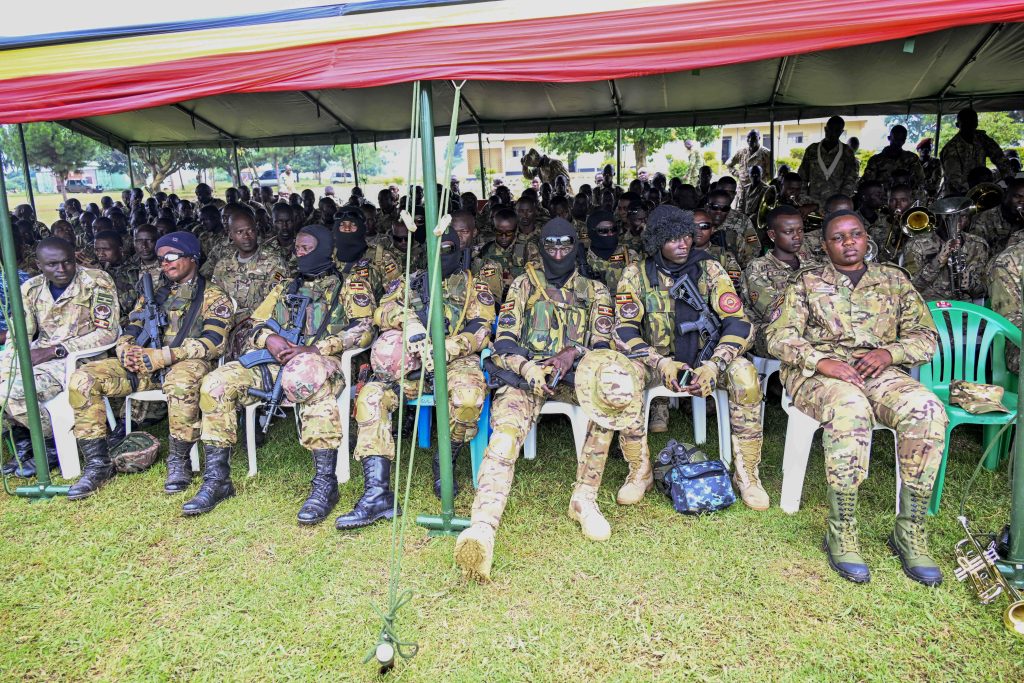
hile the Free Kenya Movement (FKM) celebrates the return of our brothers, Bob Njagi and Nicholas Oyoo, we cannot—and will not—sweep the dark details of their 38-day ordeal under the rug. Their safety came at a terrible cost, and the truth must be known to prevent this from happening to any other East African citizen.
⛓️ Eyewitness Account of Torture and Incommunicado Detention
In their first public statements following their release on November 8, 2025, Bob Njagi and Nicholas Oyoo made harrowing revelations about their captivity:
- Location of Detention: The activists confirmed they were held in a military facility, specifically identifying Kasenyi Military Barracks for a significant portion of their detention. This facility is reported to be one of the Ugandan regime’s notorious detention sites, often referred to chillingly as “The Fridge” by activists.
- The Torture Allegations: The activists detailed being subjected to physical and psychological torture by their captors. The goal of the interrogation was clear: to uncover details about their mission and their links to opposition political activities, particularly their alleged association with Ugandan opposition leader Robert Kyagulanyi Ssentamu (Bobi Wine).
- Political Prisoners: Njagi and Oyoo revealed that they were held alongside over 150 other individuals, who they believe are political detainees. These prisoners remain in custody without trial, highlighting a systematic pattern of repression and unlawful detention in the country.
📢 The Regime’s Fear: Inciting the Youth
According to Bob and Nicholas, their captors expressed fear that the Kenyan activists were on a mission to “incite Gen Z” in Uganda, demonstrating the deep-seated anxiety the regime holds towards organized youth and cross-border civil society work aimed at governance and democracy.
This incident is not isolated. It fits a disturbing regional pattern of transnational repression, where activists are seized across borders to silence dissent. Previous high-profile abductions and deportations of opposition figures in East Africa underscore this dangerous erosion of the rule of law.
⚖️ Our Demand: Justice and Accountability
FKM reiterates its demand for accountability:
- Independent Probe: We call on the African Union (AU) and the East African Community (EAC) to launch an independent, international investigation into the credible allegations of torture and the existence of illegal detention facilities like the one where our activists were held.
- Release of Political Prisoners: The Ugandan government must immediately disclose the whereabouts of all political detainees and either release them or present them before a competent court of law, upholding Article 28 of the Ugandan Constitution and international human rights law.
We salute the bravery of Bob Njagi and Nicholas Oyoo for sharing their painful truth. Their resilience fuels our movement for a Kenya and an East Africa where human rights are respected, and citizens can advocate for justice without fear of abduction or torture.
#KasenyiBarracks #UgandaTorture #JusticeForNjagiOyoo #FreeThe150 #FreeKenyaMovement
✍️ Be the 1 in a Million!
0.88% completed
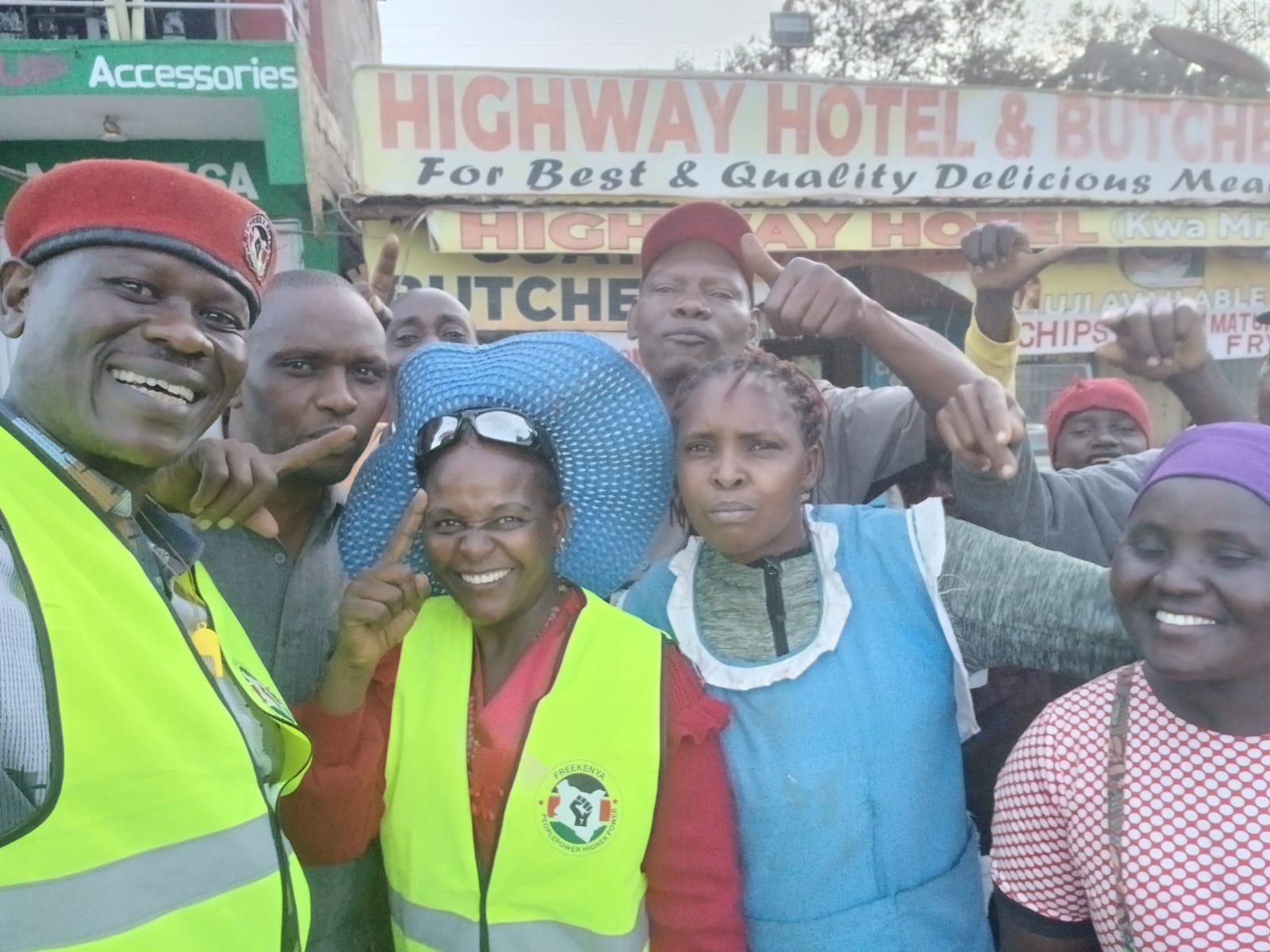
Machakos, Emali, and Sultan Hamud have already spoken. Add your voice to the People’s Mandate and help us reach our goal.
Join thousands of Kenyans in reclaiming our sovereignty.

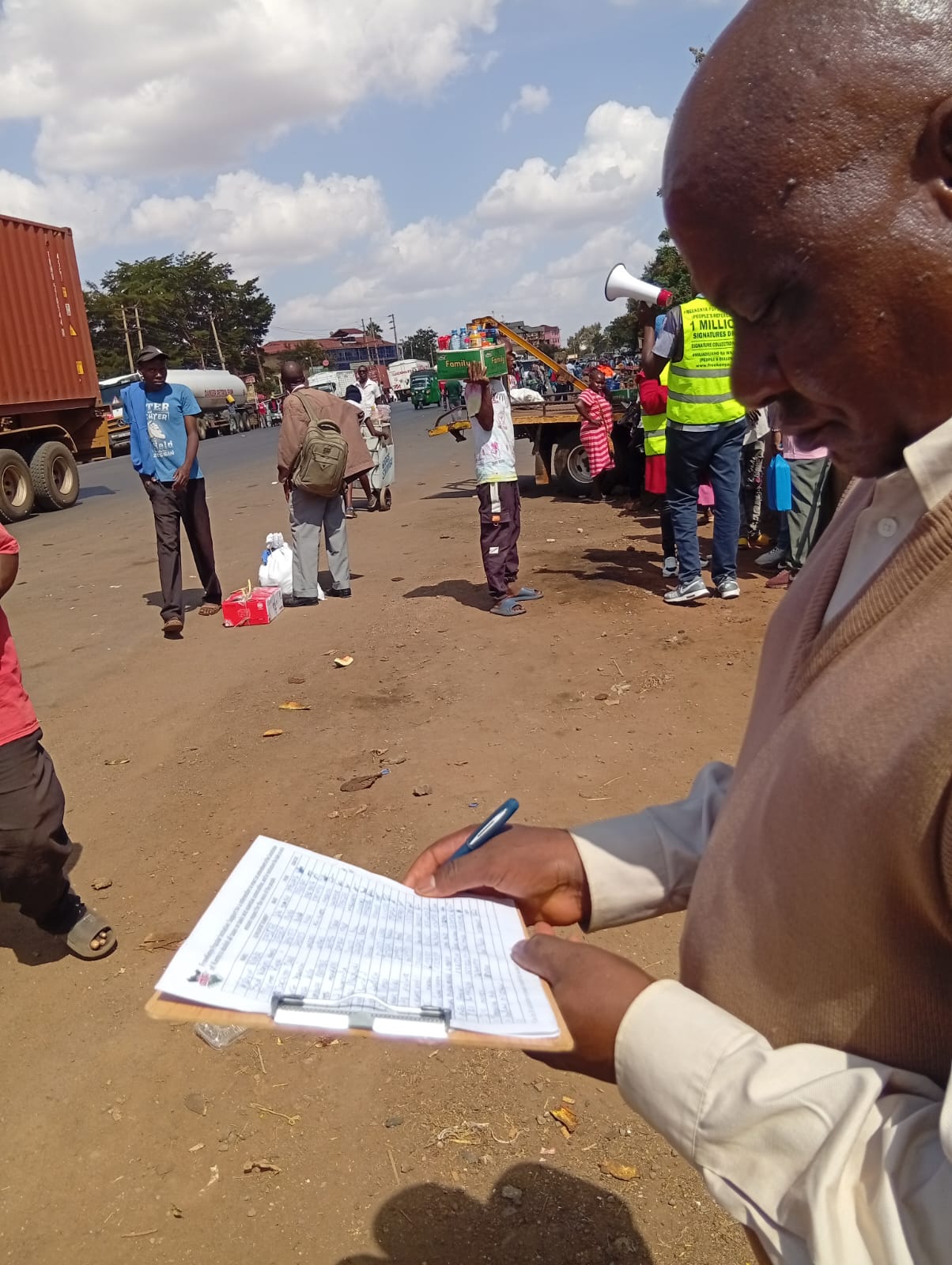
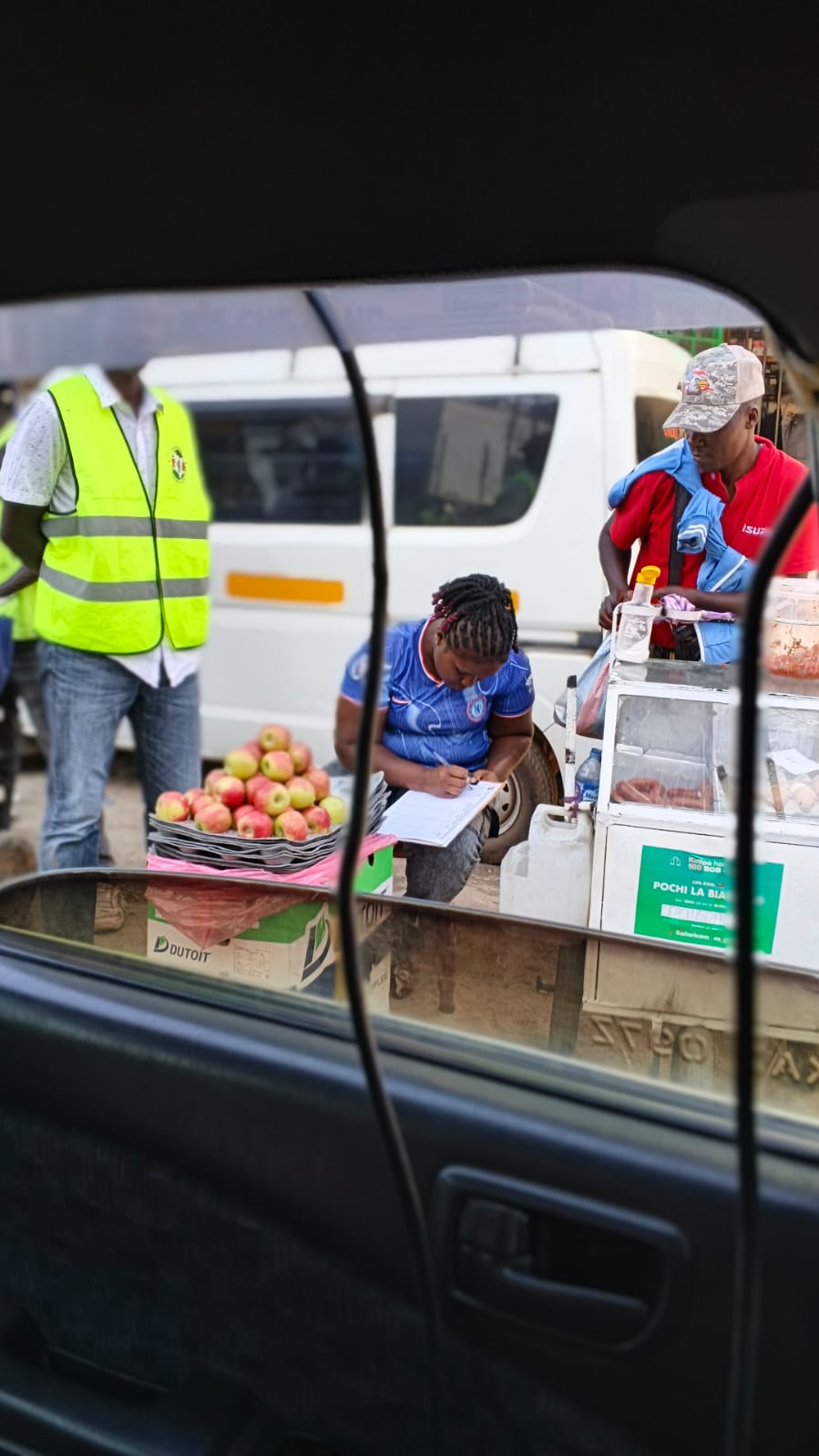
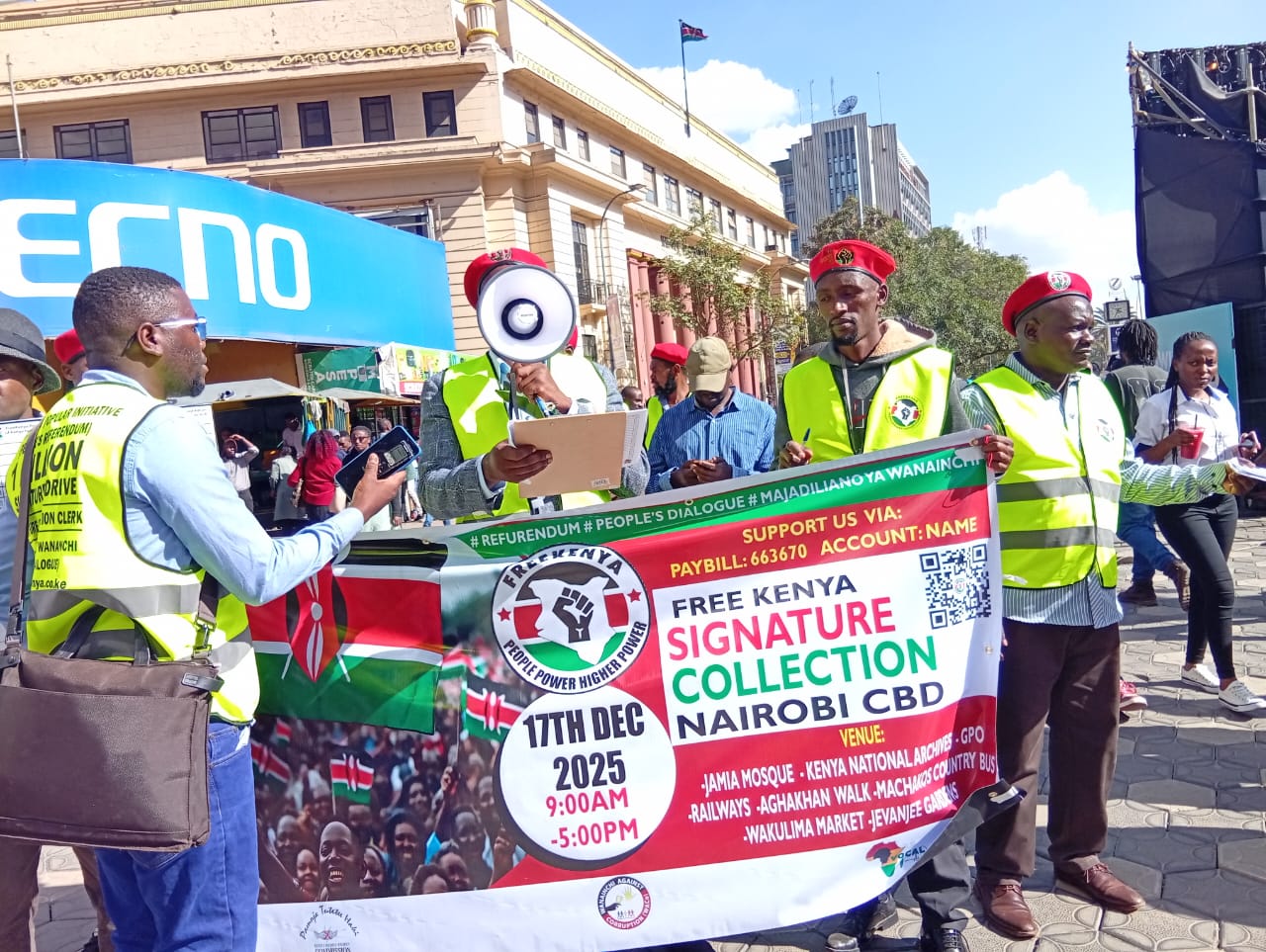
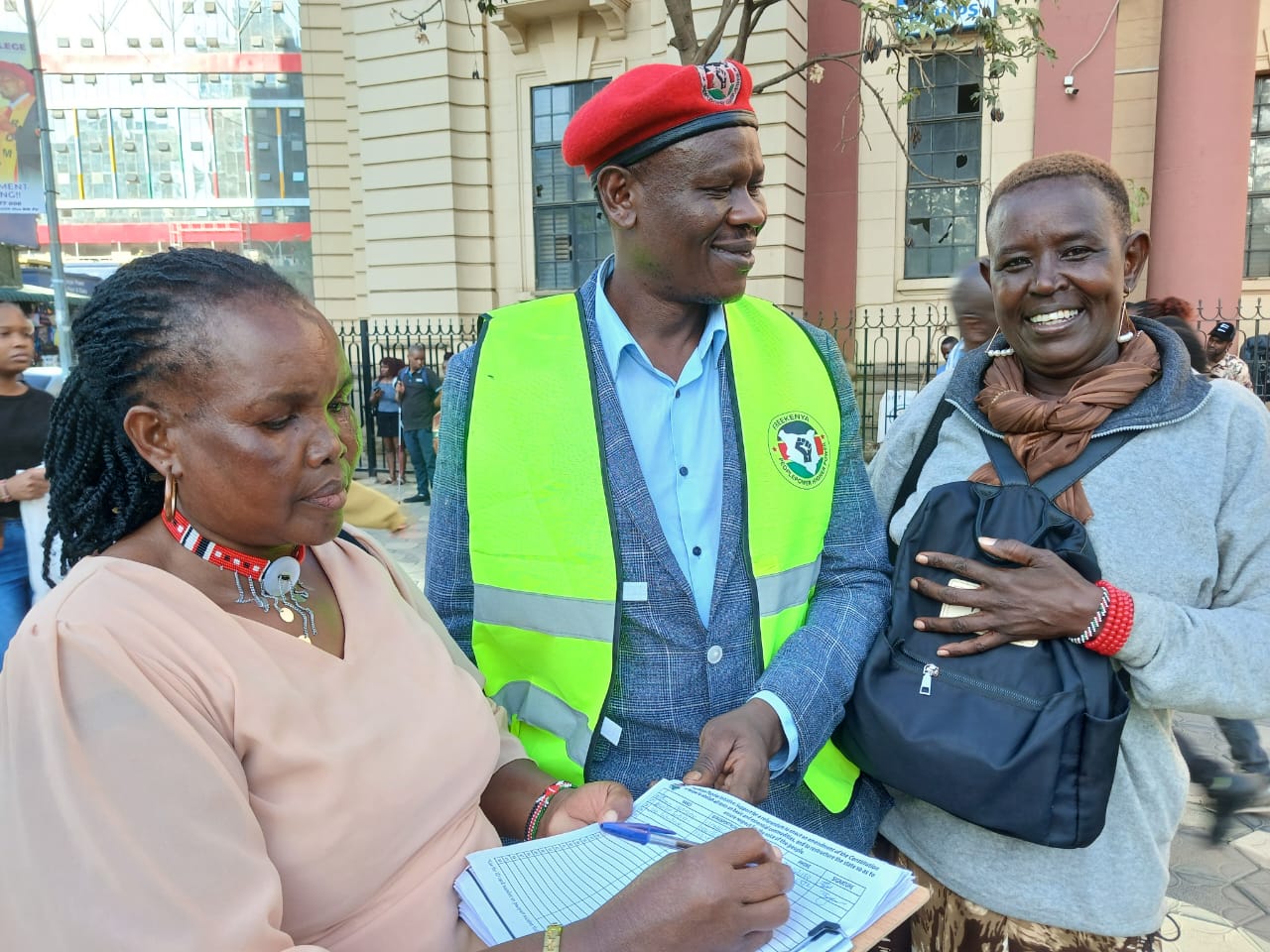
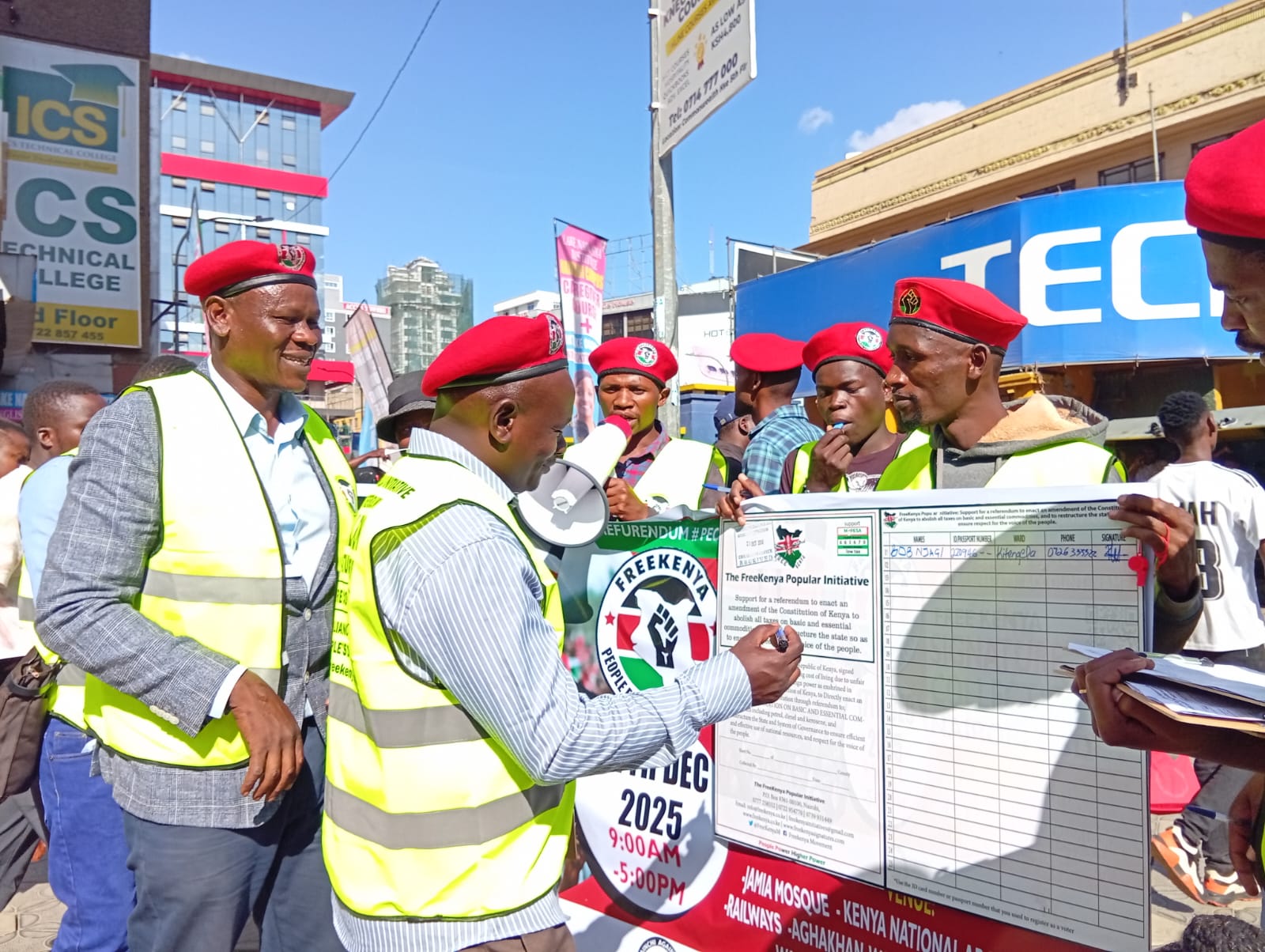
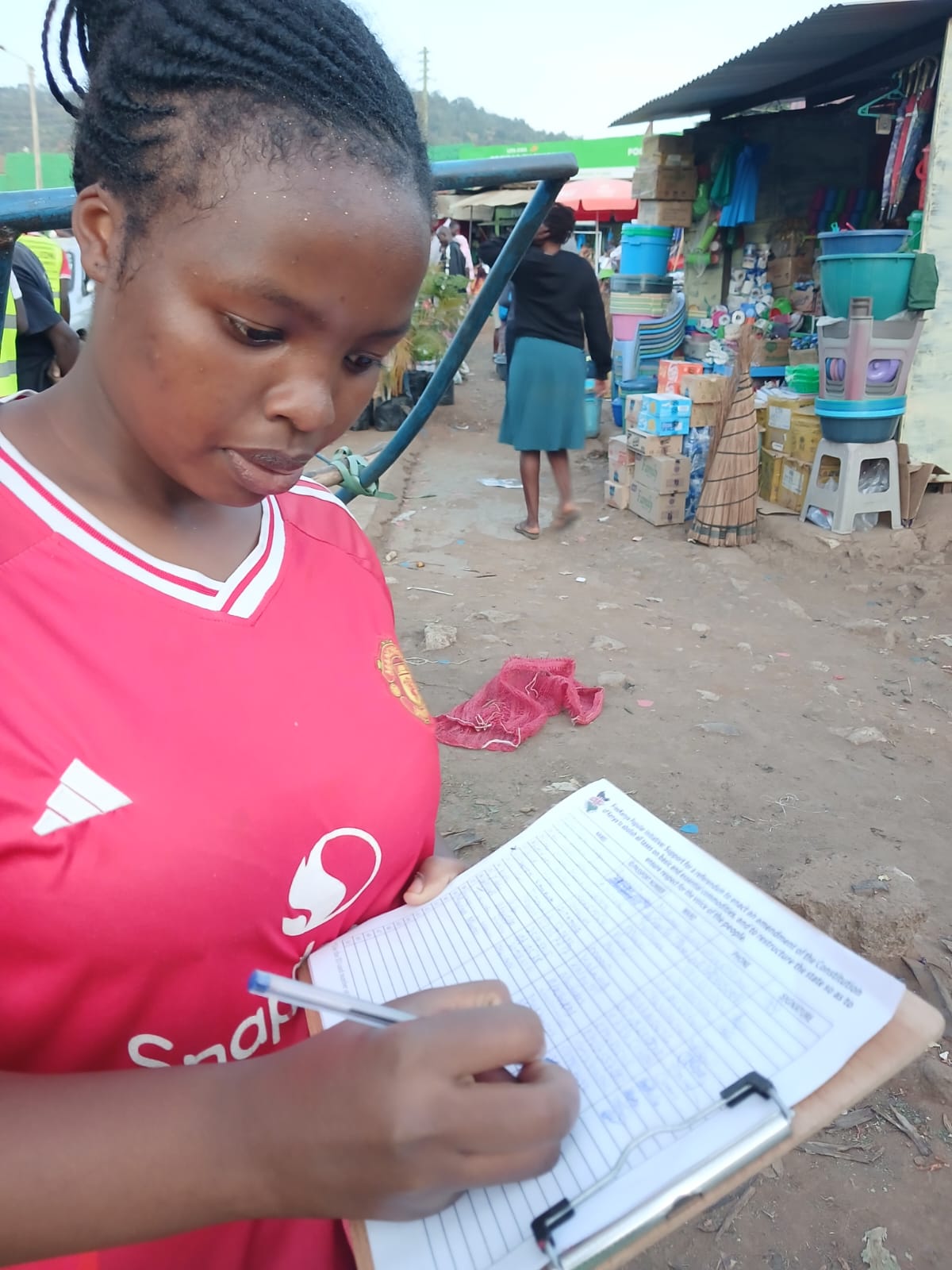


I think you are doing a good job and I want to be a part of this good job and contribute to the welfare of my beloved Kenya and Kenyans. Please help me get involved….
Sign our referendum at freekenyasignatures.com
Articles like this are crucial for fostering the kind of informed public debate that strengthens democratic engagement. The Kenyan media landscape plays such a vital role in holding power to account and exploring complex social issues. Whether this piece focuses on governance, economic policy, or social justice, that commitment to digging deeper than the headline is what builds a resilient civil society.
The most impactful journalism often bridges the gap between high-level analysis and lived experience. How does the issue discussed here translate into tangible, day-to-day challenges or opportunities for ordinary Kenyans in different parts of the country, and what are the most effective ways for citizens to engage with or influence this issue?